Milkweed: Monarch Host Plant
Read More
Powell Gardens is open Tuesday-Sunday (9 a.m. - 5 p.m.). Click for hours of operation.


When most people hear the word orchid, they picture tropical rainforests, corsages, or elegant greenhouse displays. But orchids are not just exotic showpieces; they are deeply rooted in Missouri’s natural landscapes.
From sunlit tallgrass prairies to shaded woodland ravines, Missouri is home to an extraordinary diversity of native orchids. During Orchid Delirium at Powell Gardens (March 2-April 19, 2026), the Conifer Room shines a spotlight on these remarkable plants, including four species that grow naturally on Powell Gardens’ property.
These orchids may be subtle, seasonal, and easy to miss, but their stories are anything but ordinary. Discover the wonder of Missouri’s native orchids!
Native orchids are masters of adaptation. Unlike their tropical relatives that perch on trees, Missouri’s orchids grow in soil. They often grow in partnership with underground fungi that help their seeds germinate. Without these specialized fungal relationships, orchids simply couldn’t survive in the Midwest.
Many native orchids also rely on highly specific pollinators like bees, flies, and even nighttime moths, forming intricate ecological partnerships. Protecting orchids means protecting entire ecosystems!
One of Missouri’s earliest blooming orchids, Spring Ladies’-tresses produces delicate white flowers arranged in a graceful spiral. Blooming April through June, it provides nectar during a critical early-season window for small native bees.
This orchid is found in moist prairies and open grasslands and thrives with periodic disturbance like prescribed fire. Spring Ladies’-tresses are sensitive to prairie loss and invasive grasses. Its spiral flowers guide pollinators upward along the stalk, increasing the odds of successful pollination.
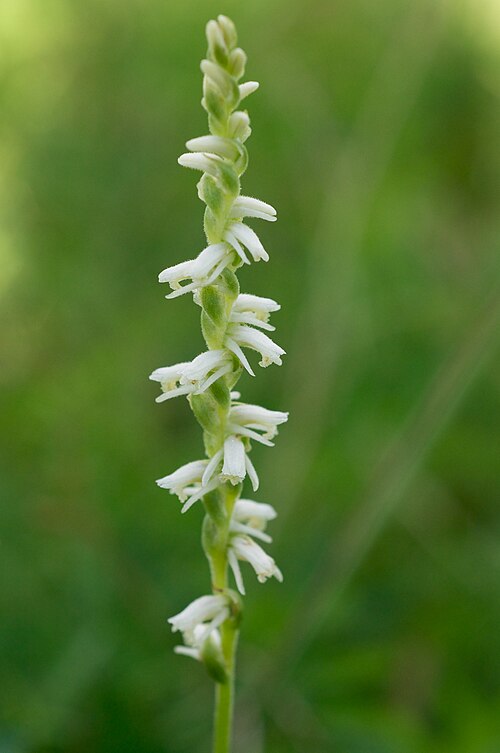
Blooming August through October, Nodding Ladies’-tresses appears when most wildflowers are fading. Its white blossoms often tilt gently downward, giving it its common name. The genus name Spiranthes means “spiral flower,” a perfect description of its elegant twist.
This orchid can be found in moist prairies, meadows, and roadsides. It’s pollinated by late-season bees and bumblebees and is a good indicator of healthy, open grassland ecosystems.
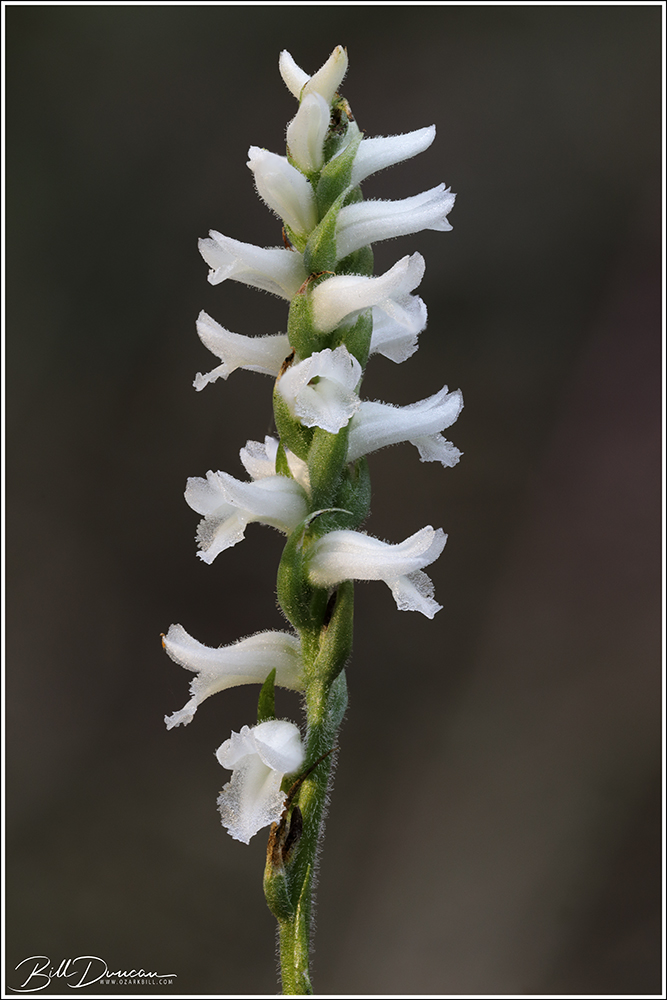
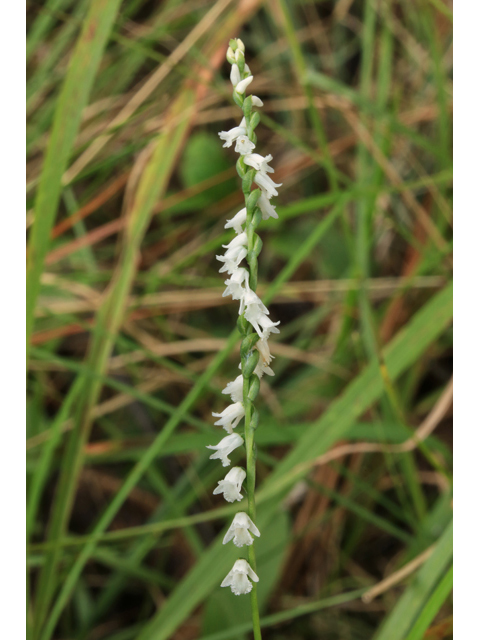
A close relative of Nodding Ladies’-tresses, this species blooms even later (often into October), filling warm afternoons with a light, sweet fragrance.
It’s found in tallgrass prairies and glades and benefits from prescribed fire and prairie restoration. Great Plains Ladies’-tresses support pollinators at the close of the growing season.
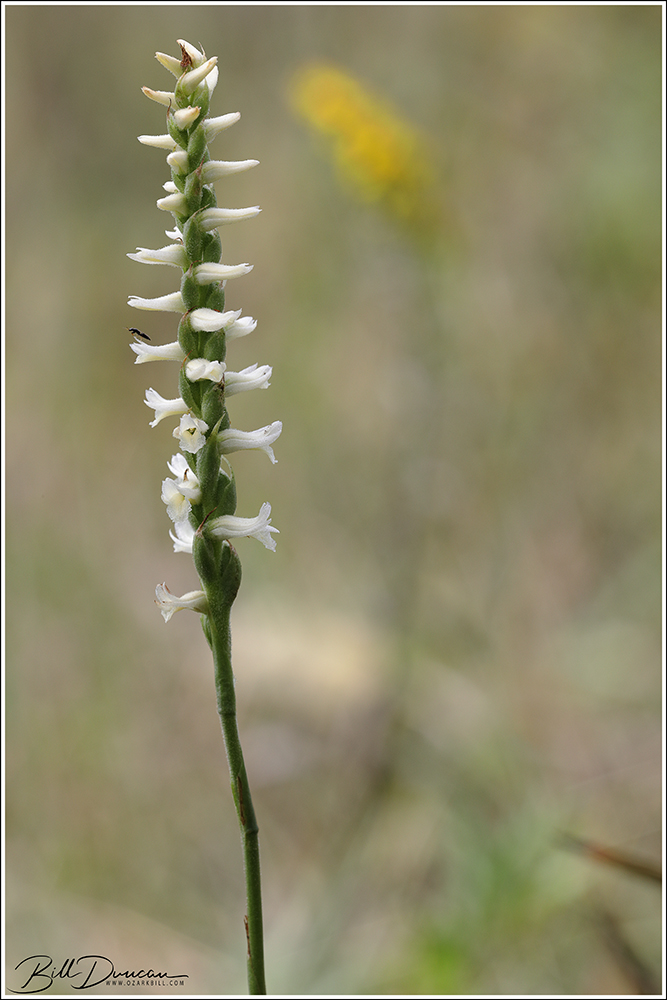
Standing just 4–12 inches tall, this tiny orchid blooms in early to mid-summer in dry prairies and glades. Its snow-white flowers resemble braided strands when viewed up close.
Despite its size, it plays an important role in prairie biodiversity.
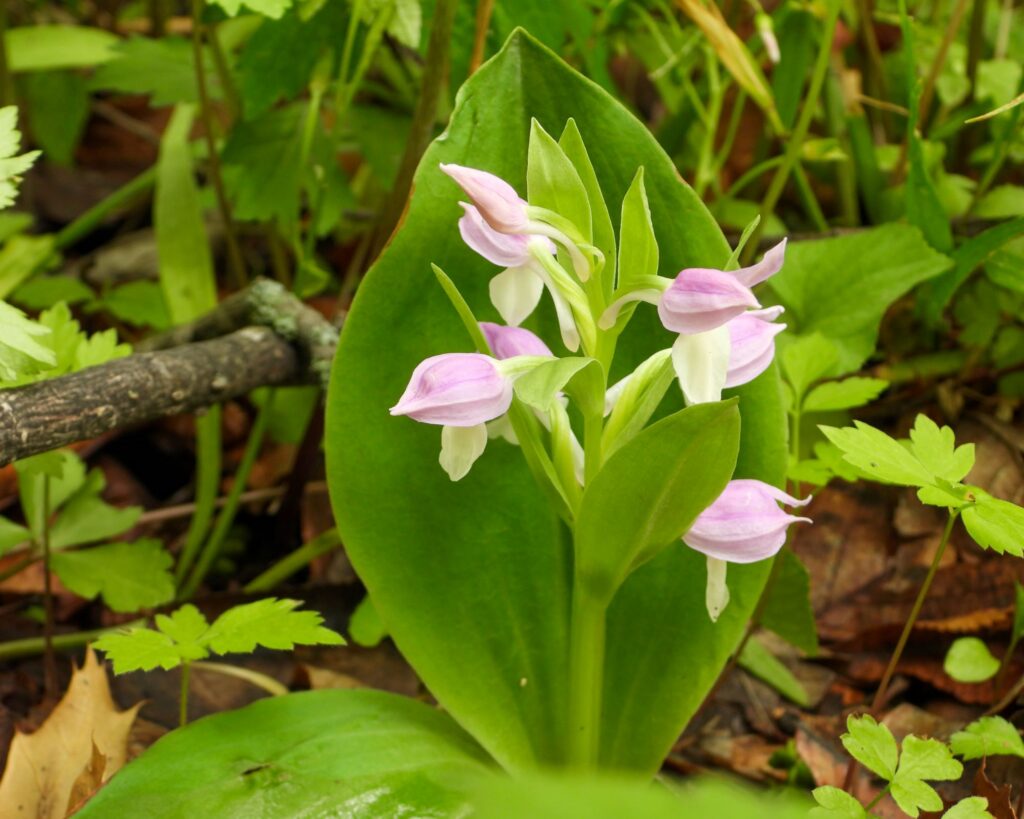
One of Missouri’s earliest woodland orchids, Showy Orchis blooms in April and May before the forest canopy fully leafs out. The orchid has a distinct pink-purple hood with bright white lip. It’s pollinated by bumblebees and requires intact forest floors and stable moisture to thrive.
It takes advantage of early spring sunlight, a fleeting but vital window for this plant.
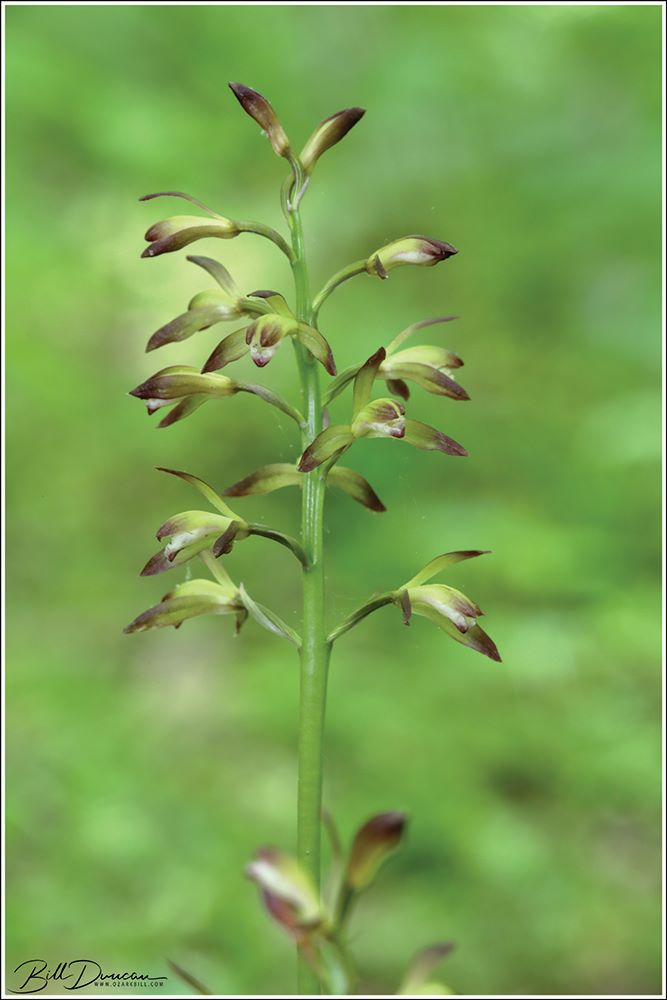
Unlike most plants, Putty Root orchids send up a single pleated leaf in late fall that stays green throughout winter. It disappears before the plant blooms in early summer. Its winter leaf is often one of the only green sights on the forest floor during colder months.
This orchid is found in rich deciduous woodlands and can self-pollinate. It’s sensitive to soil disturbance and compaction.
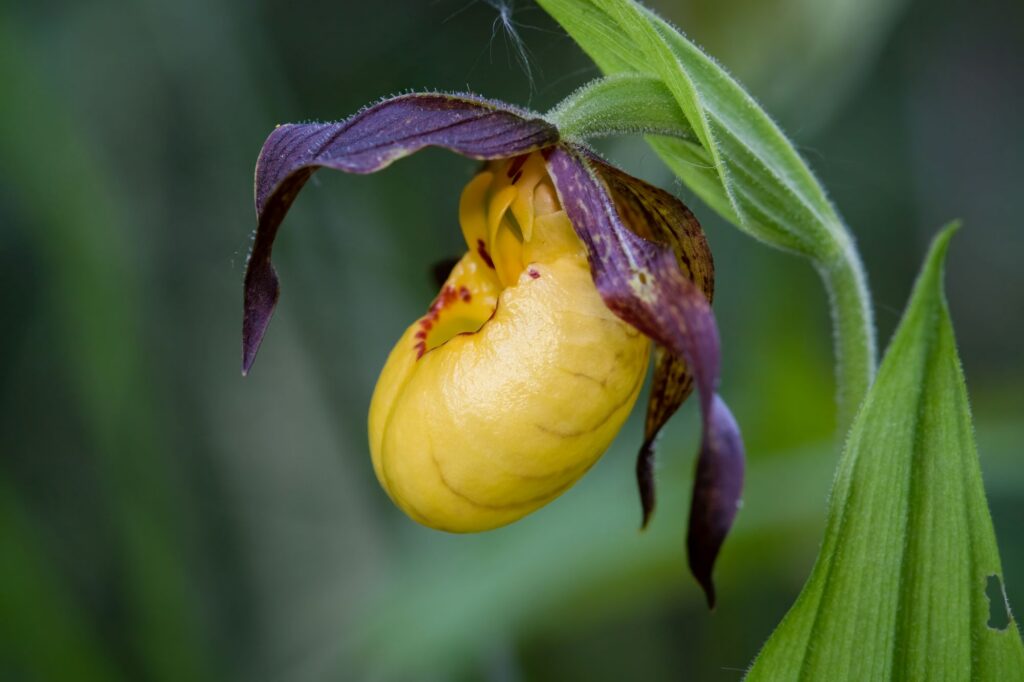
With its bright yellow pouch-shaped bloom, the Yellow Lady’s Slipper is one of Missouri’s most recognizable native orchids. It can be found in woodlands, prairies, and glades.
It uses deceptive pollination, offering no nectar. Bees enter the pouch easily but must exit through a narrow pollen-lined route, ensuring pollination.
Yellow Lady’s Slippers are highly sensitive to habitat disturbance and overcollection.
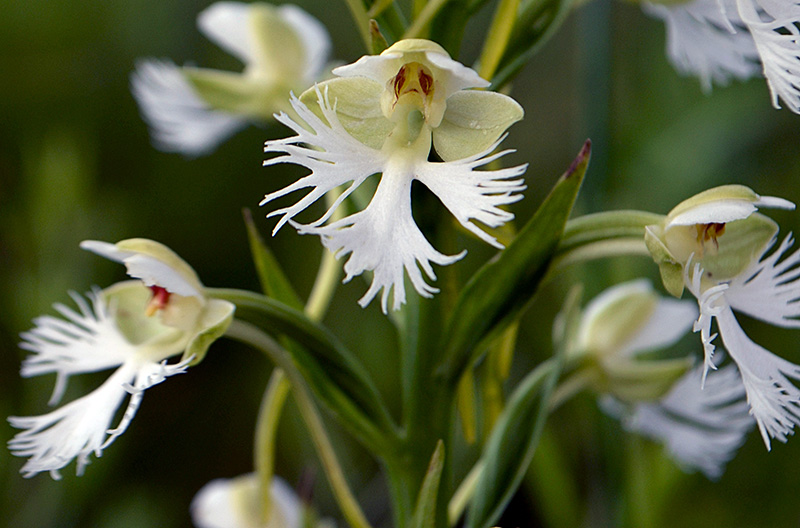
These tall, white, deeply fringed orchids are among the Midwest’s most spectacular … and the most threatened. Both orchids are federally listed as Threatened due to prairie loss.
They are fragrant at night and pollinated by nocturnal sphinx moths. Their long nectar spurs are perfectly matched to the long tongues of moth pollinators.
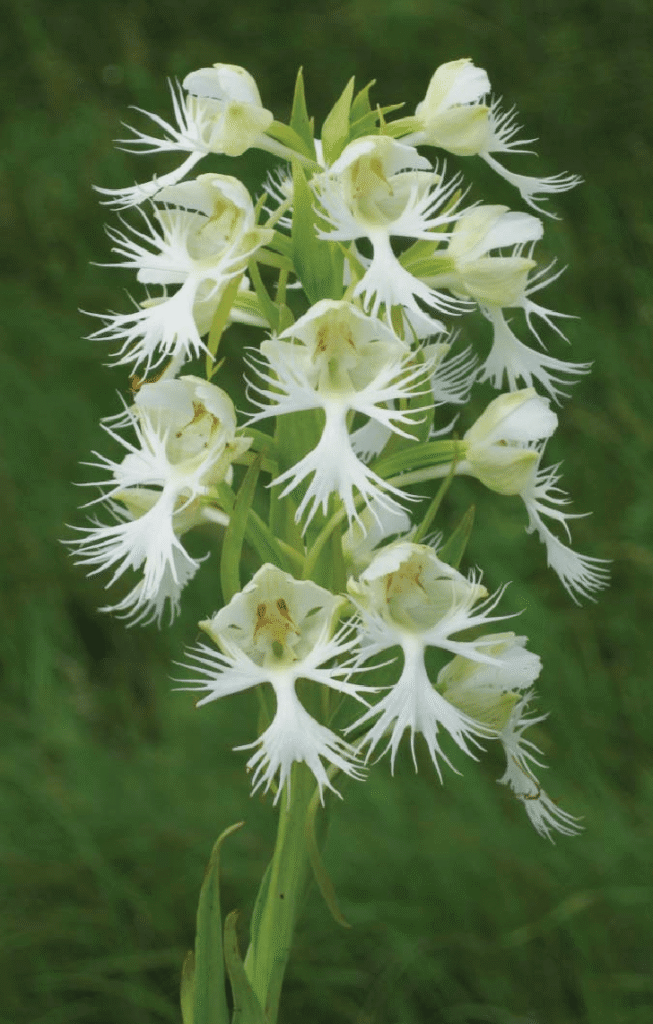
Western Prairie Fringed Orchid (Platanthera praeclara)
Eastern Prairie Fringed Orchid (Platanthera leucophaea)
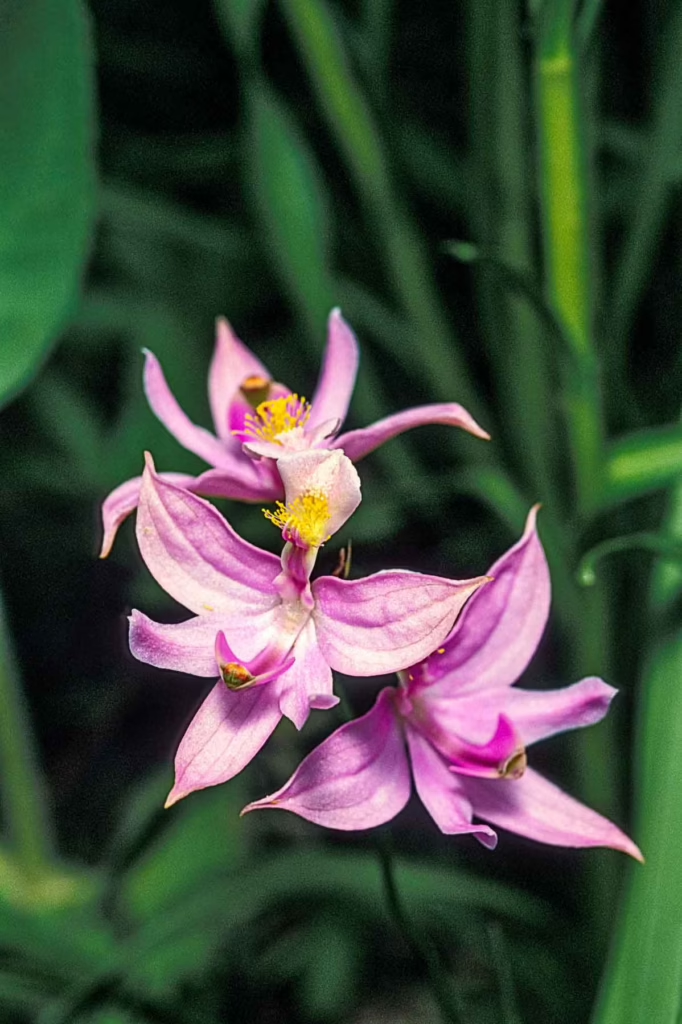
Brilliant pink blooms rising from wet prairies and bogs, these orchids use a fascinating trick. Their showy lip sits on top rather than below. When bees land, the lip can hinge downward, pressing the pollinator against pollen, despite offering no nectar.
Wetland drainage and habitat fragmentation threaten their survival.
Native orchids are indicators of ecological health. Their growth relies on intact soil communities and native pollinators. The presence of native orchids demonstrates healthy Midwest ecosystems.
Their absence tells a story, too.
By conserving prairies, woodlands, wetlands, and glades, we protect not only orchids but entire communities of plants, insects, birds, and wildlife.
Missouri’s orchids may not always shout for attention. But once you know how to look, you’ll never walk through a prairie or woodland the same way again. They are quiet miracles, rooted right here at home in the Midwest.