How Powell Gardens and Colonial Farms Became Part of FIFA Fan Festival Kansas City
Read More
Powell Gardens is open Tuesday-Sunday (9 a.m. - 5 p.m.). Click for hours of operation.


When most people think of a garden, they picture something to look at. A place designed for beauty, maybe for a quiet walk or a photo.
But a working landscape asks more of the land and of us.
At Powell Gardens and Powell Gardens Colonial Farms, the landscape is not static. It is managed, studied, and continually shaped to serve multiple roles at once. It produces, restores, and teaches. That combination is what defines a working landscape.
At its core, a working landscape is land that performs. It might grow food, support pollinators, manage water, or rebuild soil health. Often, it does all of these at the same time. The goal is not just to preserve nature, but to actively engage with it in a way that is sustainable and regenerative.
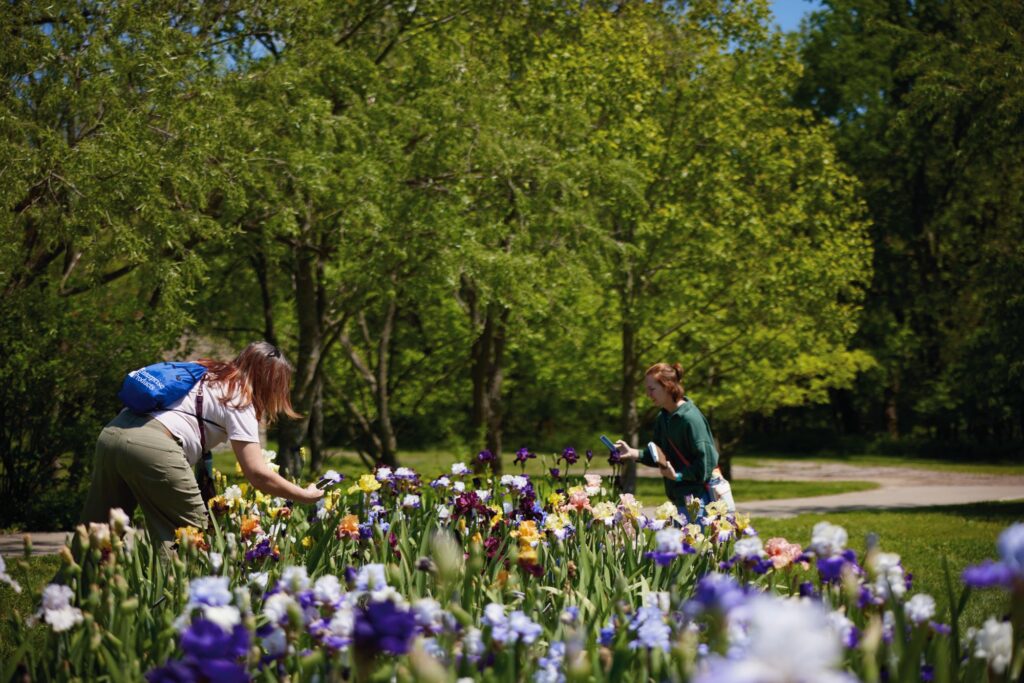
You can see this in how Powell Gardens approaches planting and design. Edible crops are intentionally integrated into the landscape rather than separated, showing visitors how food production can exist within a beautiful, designed space. At Powell Gardens Colonial Farms, native plants are used not just for their visual appeal, but to actively support pollinators, birds, and overall ecosystem health, reflecting its role as a hub for education and community connection. Even the way water moves through these spaces is carefully planned, with features that slow and absorb runoff, helping protect surrounding ecosystems while demonstrating sustainable practices in action.
Nothing is accidental.
This matters because much of the land around us is under pressure. Soil quality declines, pollinator populations shrink, and natural habitats become fragmented. A working landscape responds to those challenges by treating land as a system rather than a backdrop.
At Powell Gardens, that system is visible.
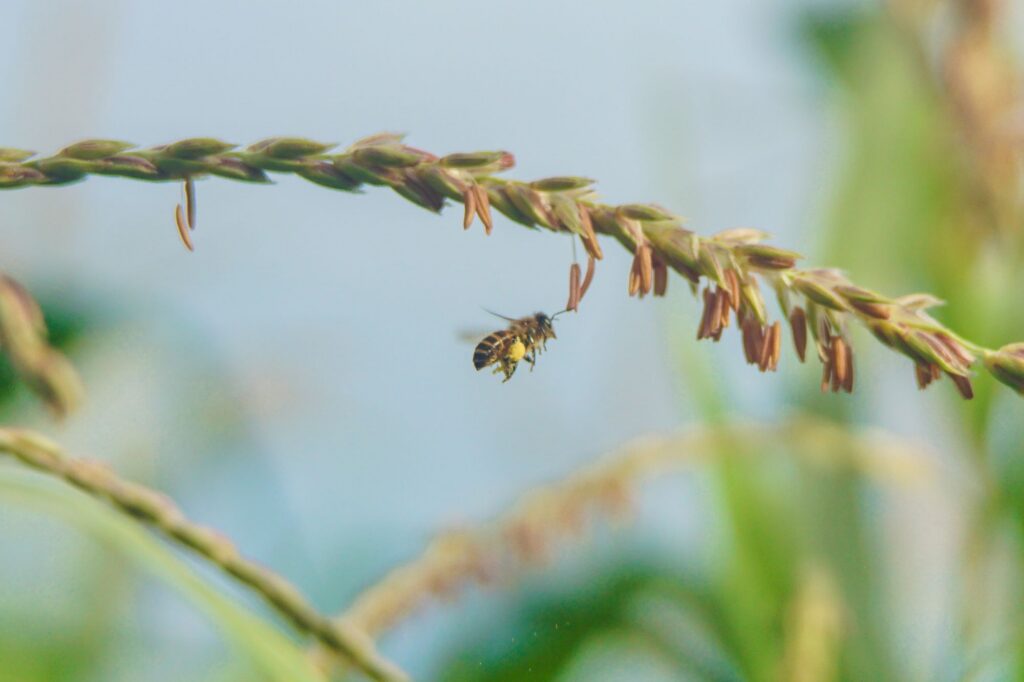
Visitors might notice bees moving through native blooms, but what they are seeing is part of a larger ecological relationship. Pollinators support plant reproduction. Plants stabilize soil and regulate temperature. Healthy soil stores carbon and retains water. Each element reinforces the others.
That connection is one of the most important lessons a working landscape can offer.
It also reframes what stewardship looks like. Stewardship is not just preservation. It is active decision making. It is choosing what to plant, how to manage resources, and how to balance human use with ecological health. It requires ongoing attention, adaptation, and care.

Education plays a critical role in that process.
Powell Gardens does not present these ideas as abstract concepts. They are embedded in the visitor experience. Through seasonal displays, programming, and the landscape itself, guests can observe how land responds to thoughtful management. They can begin to understand not just what is happening, but why it matters.
That understanding is where impact begins.
A visitor may leave with a new perspective on their own yard, garden, or community space. Small shifts, like planting native species or reducing chemical inputs, can scale over time. A working landscape shows that these choices are not separate from beauty. They are part of it.
In this way, Powell Gardens is more than a destination. It is a demonstration.
It shows that land can be both cultivated and conserved. That productivity and ecological health do not have to be at odds. And that stewardship is not limited to experts, but something anyone can participate in.
Experience a landscape that does more than grow. Visit Powell Gardens and see how purpose, education, and stewardship come together in every season.