Growing Through Connections: Learning and Innovation at the American Public Gardens Association Conference
Read More
Powell Gardens is open Tuesday-Sunday (9 a.m. - 5 p.m.). Click for hours of operation.


Written by Cody Jolliff, CEO
In June, Powell Gardens was represented at the 2026 American Public Gardens Association Annual Conference in San Francisco, California. I was joined by Chief Operating Officer Donna Young and Board Chair Kristopher Dabner as we spent the week learning from public garden professionals from across North America and exploring new ideas that can help strengthen Powell Gardens for years to come.
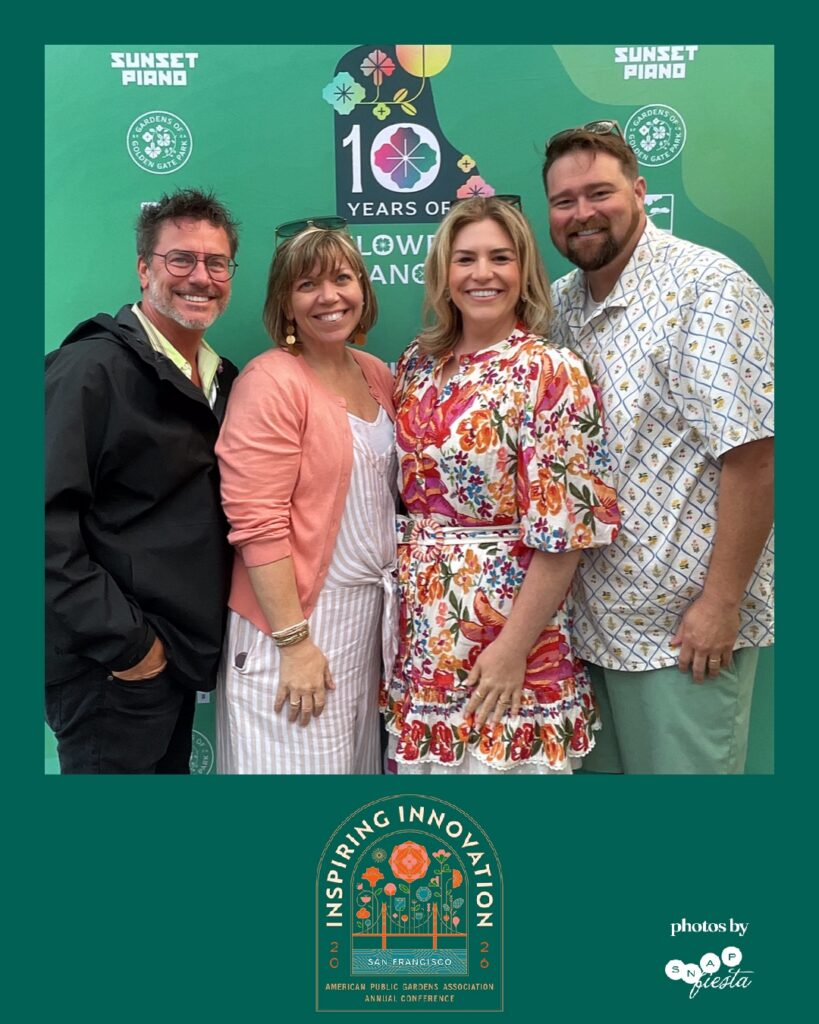
The conference brought together leaders, horticulturists, educators, development professionals, and operations staff from gardens of all sizes. Public gardens today are much more than beautiful landscapes. They are educational institutions, conservation leaders, cultural destinations, and community gathering spaces. Conferences like this provide an opportunity to step away from our daily routines and learn how other organizations are addressing challenges, creating memorable visitor experiences, and building sustainable futures for their gardens.
Throughout the week, we attended sessions focused on fundraising, budget optimization, visitor engagement, program development, organizational leadership, and emerging trends in the public garden field. Equally valuable were the conversations that happened between sessions, during garden tours, and over meals with colleagues from across the country. Often, a single conversation can spark an idea that ultimately grows into a new program, partnership, or opportunity back home.
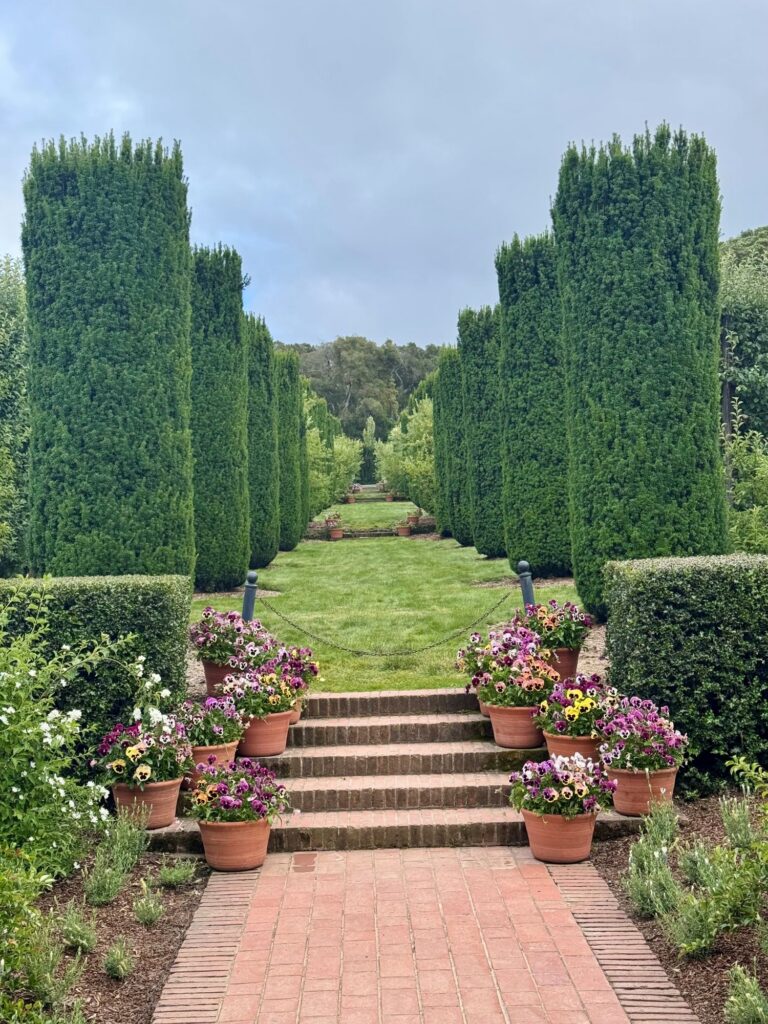
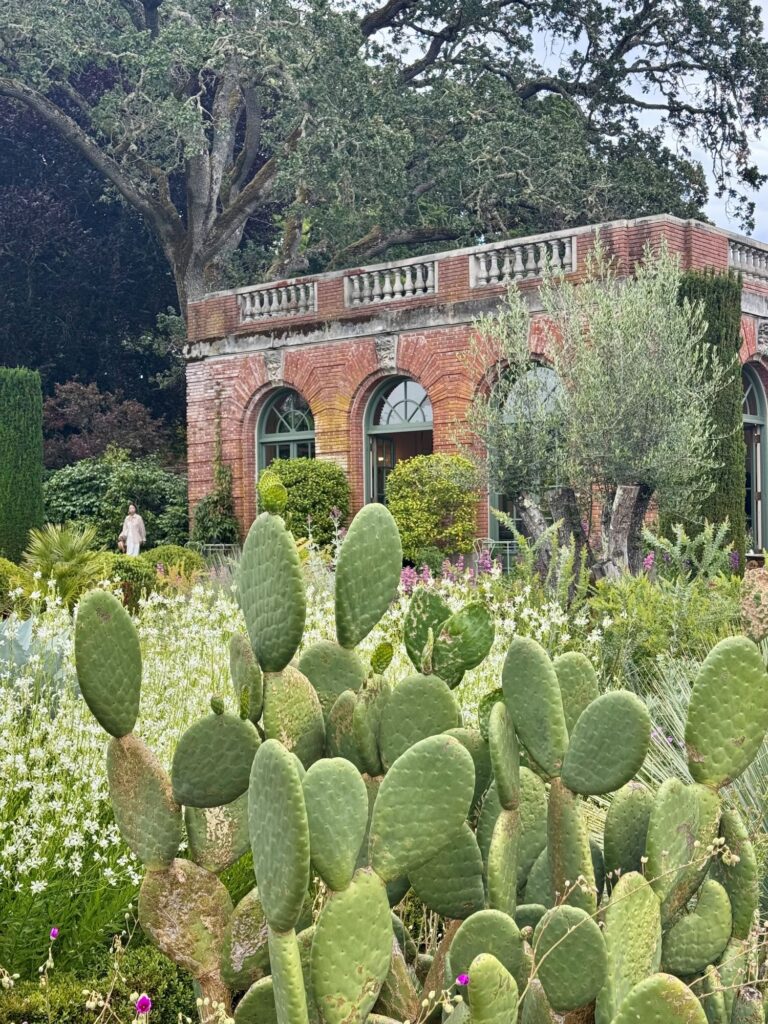
A particularly valuable part of the conference was the opportunity to participate in behind-the-scenes tours at several gardens throughout the San Francisco bay area. These visits allowed attendees to learn directly from peer institutions about horticultural practices, visitor services, exhibit development, programming, volunteer engagement, retail operations, and facility management. Seeing firsthand how other gardens approach both opportunities and challenges provides practical insights that can be adapted and applied at Powell Gardens.
During the conference, we visited several remarkable gardens and horticultural attractions throughout the region. Highlights included Filoli, where we explored both meticulously maintained formal gardens and expansive natural landscapes; the historic Conservatory of Flowers; the Japanese Tea Garden; and the San Francisco Botanical Garden within Golden Gate Park. Each institution offered unique perspectives on horticulture, interpretation, visitor engagement, collections management, and programming. Experiencing these gardens firsthand provided inspiration while reinforcing an important lesson: there is no single model for success. Every garden reflects its community, mission, and landscape, yet all share a commitment to connecting people with plants and nature.
In my relatively short time as CEO of Powell Gardens, this was only my second American Public Gardens Association conference. Yet the relationships formed through this organization have already proven invaluable. Those connections have led to visits with colleagues while traveling, professionals visiting Powell Gardens, phone calls to discuss shared challenges, and countless opportunities to exchange ideas and best practices. Public gardens are remarkably collaborative institutions, and this network allows us to learn from one another rather than reinvent the wheel.
One of the greatest benefits of attending a conference like this is the chance to see what is possible. Whether it’s a creative educational program, a new fundraising strategy, an innovative exhibit concept, an operational improvement, or a fresh approach to guest engagement, exposure to new ideas helps us imagine what could be accomplished at Powell Gardens. Sometimes the biggest takeaway is not a specific project but a new perspective that influences future decisions and long-term planning.
This professional development opportunity was made possible through support from the Institute of Museum and Library Services (IMLS). We are grateful for organizations that recognize the value of investing in the people who steward cultural institutions like Powell Gardens. The knowledge, ideas, and professional relationships gained through experiences like this ultimately benefit our members, guests, volunteers, and community.
As we look toward the future, we hope to continue expanding opportunities for staff across the organization to participate in conferences, workshops, and professional training. The return on investment is significant. New skills, fresh ideas, and stronger professional networks help us better serve our visitors and strengthen Powell Gardens for years to come.
We are always grateful for donors who help make professional development opportunities possible. An investment in staff training is an investment in the future of Powell Gardens. The ideas discovered, partnerships formed, and lessons learned often find their way into new programs, improved operations, and enhanced experiences for our visitors.
Every great idea starts somewhere. Sometimes it begins with a conversation, a conference session, or a visit to another garden. The important part is bringing those ideas home and putting them to work for the benefit of our community.