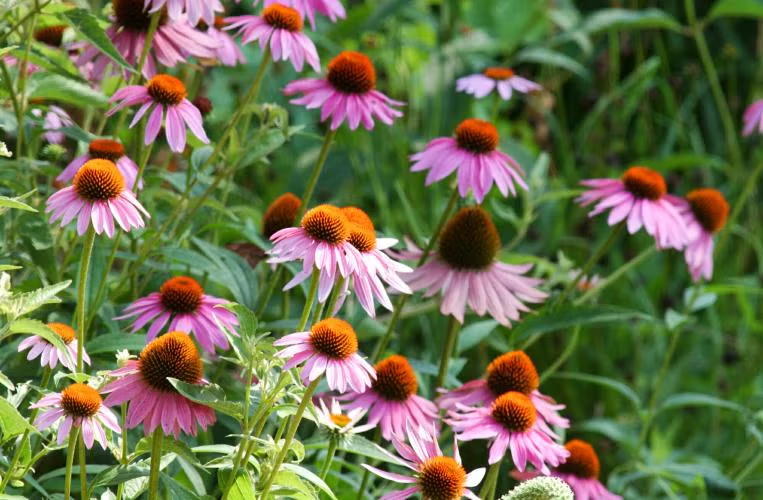
Plant Profile: Coneflower (Echinacea)
Read More
Powell Gardens is open Tuesday-Sunday (9 a.m. - 5 p.m.). Click for hours of operation.


If you’re looking for a perennial that combines beauty, resilience, and ecological value, coneflowers deserve a place in your garden. Native to North America and beloved by pollinators, coneflowers offer months of color, provide food for wildlife, and thrive in the Midwest landscape with relatively little maintenance.
Whether growing in a formal garden bed, a naturalized prairie planting, or a pollinator garden, coneflowers are a reliable favorite for gardeners of all experience levels.
Coneflowers belong to the genus Echinacea, a group of herbaceous perennials native to the central and eastern United States. Their name comes from the distinctive cone-shaped center of each flower, which is surrounded by colorful petals that often droop gracefully downward.
While the classic purple coneflower (Echinacea purpurea) remains the most recognizable species, today’s gardeners can choose from a wide range of cultivars in shades of pink, orange, yellow, red, white, and even green.
Coneflowers typically bloom from early summer into fall, bringing long-lasting color to the garden during some of the hottest months of the year.
Coneflowers have earned their popularity for good reason.
They Support Pollinators
Butterflies, native bees, and other pollinating insects flock to coneflower blooms throughout the growing season. Their nectar-rich flowers provide an important food source when many other plants begin to fade in the summer heat.
They Feed Birds
As blooms mature and seed heads develop, coneflowers continue to contribute to the garden ecosystem. Goldfinches and other seed-eating birds often perch on the dried flower heads in late summer and fall, enjoying a natural food source.
They’re Drought Tolerant
Once established, coneflowers tolerate periods of drought remarkably well. Their deep root systems help them withstand summer heat, making them an excellent choice for Midwest gardens and water-wise landscapes.
They Provide Multi-Season Interest
Coneflowers shine long after their petals drop. Their distinctive seed heads add texture and structure to the winter garden while supporting wildlife through the colder months.
One of the best things about coneflowers is how easy they are to grow.
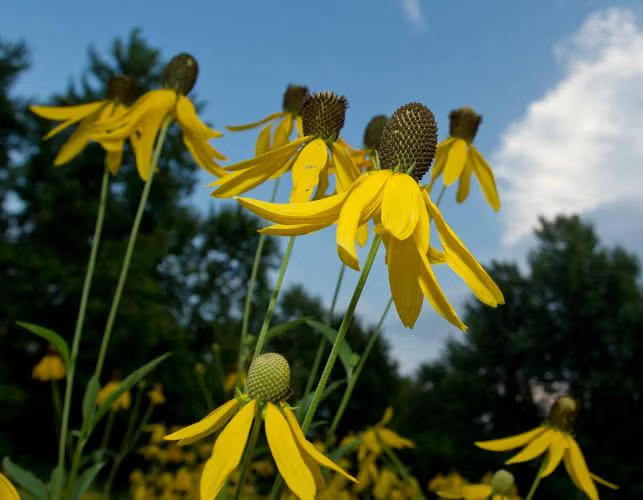
Coneflowers are an important component of prairie ecosystems, where they grow alongside grasses and other native wildflowers. Their ability to thrive in challenging conditions reflects the resilience of the prairie landscape itself.
At Powell Gardens, native plants play an important role in supporting biodiversity and creating beautiful, sustainable garden displays. Coneflowers exemplify how native species can be both ornamental and ecologically valuable.
When incorporated into home landscapes, they help create habitat corridors that support pollinators and wildlife across our region.
Coneflowers pair beautifully with other prairie-inspired plants, including:
Together, these plants create dynamic displays filled with texture, movement, and seasonal color.
Few perennials offer the combination of beauty, durability, and ecological benefits found in coneflowers. Their vibrant blooms brighten the garden for months, while their seeds and nectar support wildlife long after flowering has ended.
Whether you’re building a pollinator garden, adding color to a perennial border, or embracing more native plants in your landscape, coneflowers are a dependable choice that will reward both gardeners and wildlife for years to come.