Winter Interest
Read More
Beginning March 5, Powell Gardens is open Wednesday-Sunday (9 a.m. - 5 p.m.). Click for hours of operation.


Powell Gardens, Kansas City’s botanical garden, is committed to promoting the importance of plants. Gardening is a wonderful way to connect with plants! Gardening always helps us spend time outdoors, stay active, and manage mental health. Whether you’re a beginner or a seasoned gardener, we hope this month-by-month guide will help as you grow on your own this year!
Gardening in the Kansas City region requires patience, attention to timing, and adaptability. With four distinct seasons, hot summers, cold winters, and the occasional surprise frost, local gardens benefit from thoughtful, month-by-month care. Whether you’re tending a backyard vegetable plot, planting pollinator-friendly perennials, or utilizing native plants, understanding what to do and when to do it can make all the difference.
This month-by-month gardening guide is tailored specifically for the Kansas City area (generally USDA Hardiness Zones 6a–6b) and reflects local frost dates, soil conditions, and seasonal rhythms. Use it as a companion throughout the year to help plan, plant, and maintain a healthy and thriving garden.
January is a quiet month in the garden, but it’s one of the most important times for planning. While the landscape rests, gardeners can take time to reflect on the previous growing season. Consider what performed well, what struggled, and where adjustments might be made. This is an ideal time to sketch garden layouts, plan crop rotations, and think about new varieties you’d like to try.
Seed catalogs begin arriving this month, offering inspiration for both vegetables and ornamentals. Ordering early ensures access to popular varieties, especially heirloom or specialty seeds.
It will be time to start seeds indoors soon. Consider what seeds you’d like to start indoors and make sure you order early. Check and replenish any seed starting materials needed.
Read Powell Gardens’ seed starting guide here.
January is also a good time to service garden tools. Make sure to sharpen pruners, clean shovels, and check that equipment is ready for spring. On milder days, dormant fruit trees and shrubs can be pruned to improve structure and airflow before new growth begins.
Avoid walking on frozen lawns or soil to prevent damage.
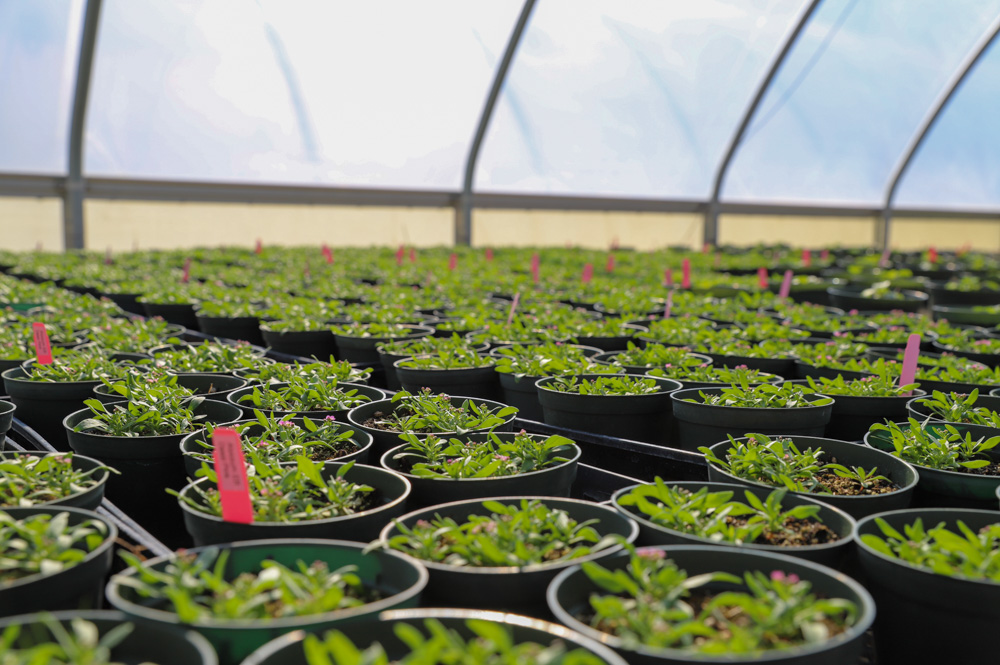
As daylight slowly increases, February bridges winter and spring. Indoors, gardeners can begin sowing seeds for cool-season vegetables and flowers that require a longer growing period. Broccoli, cabbage, cauliflower, and certain herbs can be started under grow lights or in sunny windowsills. (Read Powell Gardens’ seed starting guide here if you’re new to indoor seed starting!)
Outside, garden cleanup may begin when the weather allows. Removing fallen branches and excess debris helps reduce pests and disease later in the year.
Houseplants benefit from attention now as well. Repotting, pruning, and fertilizing can encourage healthy growth before they head outdoors in warmer months.
Soil testing in February provides valuable insight, allowing time to plan amendments before planting season arrives.
Growing season is just around the corner! February is a good time to check and make sure ordered seeds have arrived, your garden plan and sketches are finalized, and any tools or resources you need will be ready to plant your garden.
March marks the start of active gardening in Kansas City. As soils thaw and become workable, gardeners can begin preparing beds by removing old plant material and incorporating compost or organic matter.
Perennials can be divided as new growth appears, helping rejuvenate plants and expand garden beds.
Cool-season vegetables such as peas, lettuce, spinach, and radishes can be planted outdoors once soil conditions allow. (In Kansas City, look to plant somewhere between March 15-April 15.) These early edibles thrive in cooler temperatures and establish quickly.
Cool-season annuals like pansies, violas, and snapdragons can be planted outdoors as well. Applying mulch can support weed suppression later in the season.
Inside, it’s time to start seeds for warm-season crops like tomatoes, peppers, and eggplants so they’ll be ready for transplanting after the last frost.
April brings noticeable changes to the garden as spring settles in. Many cool-season vegetables (like cabbage, broccoli, and onions) can now be transplanted outdoors, and other edibles like carrots, beets, and leafy greens can be direct sown once soil temperatures warm.
In Kansas City, frost is still possible! Gardeners should remain watchful for late frosts, keeping row covers or blankets handy to protect tender plants overnight.
Indoors, begin hardening off seedings before transplant.
This is also a key month for lawn care, mulching, and irrigation setup. A rain gauge is a great resource to monitor water! Applying mulch helps regulate soil temperature, suppress weeds, and conserve moisture as temperatures rise.
Hardy annual flowers like pansies and snapdragons add early color and can tolerate cooler nights, making them a great choice for April planting. Early annuals like marigolds and cosmos can be planted later in the month.
For Kansas City gardeners, May is often the most exciting month of the year. Once the risk of frost has passed (typically around mid-May) warm-season vegetables and annual flowers can safely go into the ground. Tomatoes, peppers, squash, cucumbers, and beans take center stage in home gardens! Direct sow beans, corn, basil, melons, and summer squash.
As plants settle in, consistent watering, weeding, and mulching become essential. These tasks all work together to conserve moisture. Water deeply but infrequently to encourage strong roots.
Supporting vines and staking tomatoes early prevents damage later in the season. Herbs such as basil, oregano, and dill grow quickly in warm soil and are perfect additions to garden beds or containers.
May is also a wonderful time to plant native species that support pollinators and local ecosystems.
By June, gardens are lush and full of promise. Many early crops are ready for harvest, and regular picking encourages continued production. Make sure tomatoes and peppers are staked and supported!
Garden maintenance becomes increasingly important as weeds compete for water and nutrients. Mulching and deep, infrequent watering help plants withstand early summer heat. Water early in the day to reduce fungal pressure.
Pest monitoring is critical during this time, as insects become more active. Keep a close eye out for cucumber beetles and aphids! Addressing issues early through hand removal or environmentally friendly controls can prevent larger problems later.
If desired, fertilizer could be added mid-season.
June is also a good month to plant succession crops like beans and squash to extend the harvest season.
July often brings intense heat and humidity to the Kansas City area, and gardens require attentive care to continue producing through the summer months.
Watering deeply in the early morning helps plants cope with stress while reducing disease pressure. Harvesting regularly keeps vegetables productive and prevents plants from becoming overburdened.
Many flowering annuals benefit from deadheading or light pruning to encourage continued blooms.
Gardeners should also remain vigilant for pests common to midsummer, including tomato hornworms and squash vine borers. Providing shade for young plants and maintaining healthy soil can make a significant difference during this challenging month.
Although August is still hot, it’s time to begin planning for fall gardening.
Cool-season crops like kale, Swiss chard, radishes, and collards can be planted early in the month so they mature as temperatures cool. Herbs can be harvested and preserved now, ensuring their flavors are enjoyed long after the growing season ends.
Watering remains important, especially for new plantings. Clearing out tired summer crops creates space for fall vegetables and reduces disease pressure. Don’t give up your weeding routine!
August is also a good time to evaluate which areas of the garden performed best and note improvements for next year.
September often feels like a second spring in Kansas City. Cooler temperatures make gardening more comfortable, and fall crops thrive in these conditions. Lettuce, spinach, and other greens grow quickly, providing fresh harvests well into autumn. Finish planting cool-season vegetables by mid-September.
Perennials can be divided and transplanted now, giving them time to establish roots before winter.
Lawns benefit from aeration and overseeding, while garden beds should be tidied as summer plants fade.
With proper care, fall gardens can be just as productive as spring ones. (Cold frames or low tunnels can help lengthen the growing season and harvest!)
October is a month of transition. While fall vegetables continue producing, gardeners can begin preparing beds for winter.
Planting spring-flowering bulbs like tulips and daffodils now ensures a colorful display next year.
Trees and shrubs establish well when planted in fall, as cooler air temperatures reduce stress while roots continue growing.
As frost approaches, tender plants should be brought indoors. Tools should be cleaned and stored. Leaves can be composted or used as a mulch to protect soil through winter. Aerate lawns, rake leaves, and mulch beds for winter protection.
As temperatures drop, November focuses on protection and cleanup. Mulching beds helps regulate soil temperature and prevent erosion. Evergreens and newly planted trees benefit from deep watering before the ground freezes.
This is also a time for reflection. Make sure to review your notes, photos, and harvest totals from the year. With the garden mostly at rest, planning for the next season can begin again while this season is still top of mind.
December is a quiet and restful month in the garden. With outdoor tasks complete, gardeners can enjoy the slower pace by reading, learning, and dreaming about the year ahead. Use this month to explore potential new plant combinations and garden experiments in the coming year.
Taking time to organize notes and supplies now sets the stage for a successful spring. Even in winter, the garden continues to teach patience, resilience, and the promise of renewal.
At Powell Gardens, we celebrate the rhythm of the seasons and the joy of gardening in every month of the year. By working with Kansas City’s climate and natural cycles, home gardeners can cultivate landscapes that are not only beautiful, but resilient and deeply connected to our Midwest home.
This guide is designed to offer monthly direction for gardeners in the Kansas City metropolitan area, combining seasonal tasks, plant recommendations, and practical tips.
The specifics may vary slightly with microclimates or an unusually early/late frost, so always watch local weather closely and use soil temperatures to guide your planting timeline.