Winter Interest
Read More
Beginning March 5, Powell Gardens is open Wednesday-Sunday (9 a.m. - 5 p.m.). Click for hours of operation.

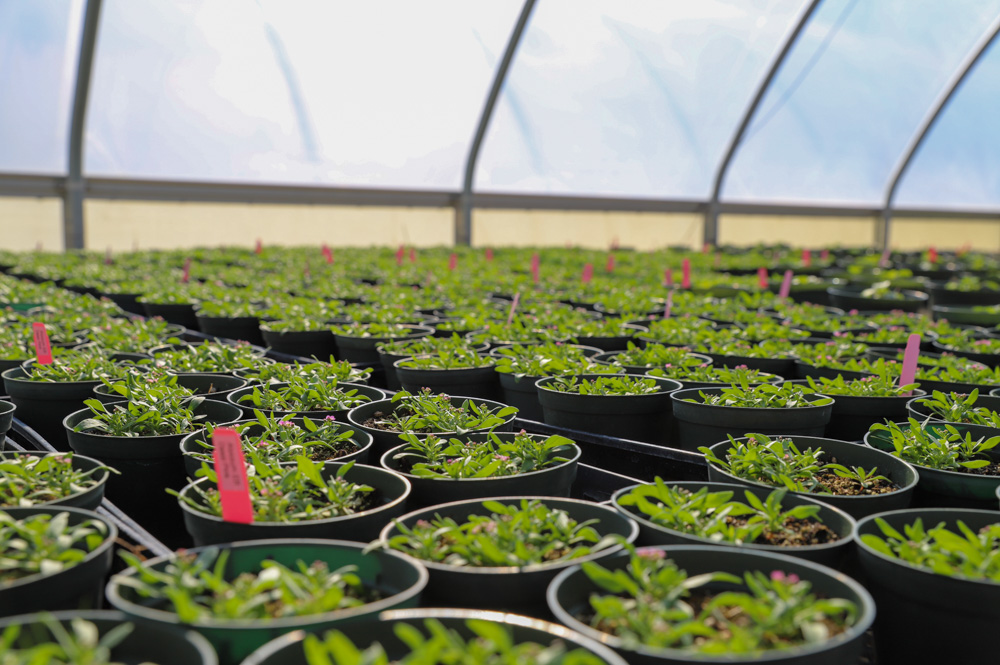

Seed starting in midwinter feels a bit like gardening magic. With a few trays, a good light, and the right timing, you can coax whole gardens to life before spring arrives. For Kansas City gardeners, where late frosts linger and spring weather swings wildly, starting seeds indoors is more than a hobby. It’s a strategy.
Kansas City sits in USDA Zone 6b, with an average last frost between April 10–20. For tender annuals and warm-season vegetables, local growers treat May 1 as the true “safe” planting date.
That means all indoor sowing works backward from May 1. Tomatoes get started six to eight weeks ahead, peppers eight to ten weeks ahead, and slow-germinating perennials even earlier. This simple rule will keep you on track.
Whether you order seeds online or collect them in fall, freshness matters. Look for current-year lots, good germination percentages, and notes on disease resistance (especially important for vegetables).
Kansas City gardeners who love native perennials are in luck! They tend to handle our soil and weather best. If you save seed yourself, let it dry fully, clean off any pulp, and store envelopes inside a sealed jar in the refrigerator. Good storage turns a handful of seed heads into years of reliable starts.
Seedlings thrive in a light, sterile mix (not heavy potting soil). A blend of peat or coir with perlite and a bit of vermiculite keeps roots oxygenated and evenly moist. Whatever you use, sanitize trays before sowing. One quick soak in diluted bleach prevents most damping-off issues before they start.
Pre-moisten the mix until it feels like a wrung-out sponge before filling trays. This helps seeds settle and ensures even moisture in the earliest (and most vulnerable) days.
Most annuals and vegetables do beautifully in 72-cell trays. Deeper cells are great for perennials and young trees. A humidity dome is helpful at first but remove it once most seeds sprout—too much humidity quickly leads to fungus.
A heat mat is one of the best small investments you can make. Warm-season crops germinate fastest at 70–75°F, while peppers and eggplants prefer 80–85°F. Lettuce, pansies, and many native perennials actually germinate better cool, so skip the mat for them.
A bright south window can work in a pinch, but grow lights are the real game-changer. Keep them roughly 8–14 inches above the seedlings and run them 14–16 hours per day. A small fan nearby strengthens stems and keeps air moving which is crucial for preventing disease.
If you’re limited to window light, rotate trays daily and be prepared for a bit of stretch. A small clamp-on LED can help keep young plants sturdier.
Bottom watering is your friend: pour water into the tray, let the soil wick it up, and dump the excess. Once seedlings grow their first true leaves, begin feeding lightly. About a quarter-strength fertilizer is plenty at this stage. Let the soil surface dry slightly between waterings to discourage gnats and fungus.
Transplant seedlings to larger pots once roots hold the soil plug together and plants have two to four true leaves. Most annuals move comfortably into 3–4″ pots. Tomatoes are the exception to every rule; they appreciate being buried deeper to encourage extra rooting.
Give newly potted plants 24–48 hours of gentler light as they adjust.
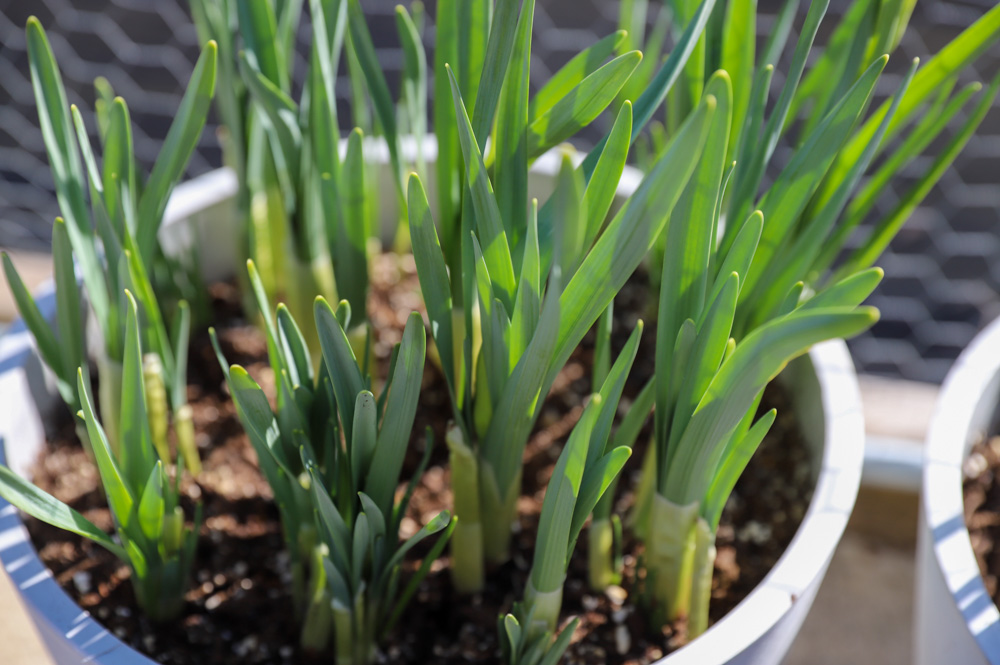
Our famously unpredictable Aprils make hardening off non-negotiable. For 7–10 days before planting outdoors, gradually expose plants to brighter light, more wind, and wider temperature swings. Start in bright shade, then morning sun, then half-day exposure, and finally full sun with wind. Bring tender crops inside if nighttime lows dip below 45°F.
This step is the difference between leggy, shocked plants and sturdy, ready-to-grow transplants.
Here’s the quick version for indoor sowing, counting back from May 1:
Many native perennials and trees require stratification (a chilled, slightly moist rest in the refrigerator) to break dormancy. Species like redbud, serviceberry, and milkweed reward the extra patience with healthier, better-adapted plants.
Seed starting saves money, opens a world of plant varieties, and lets you grow exactly what you want long before garden centers stock their spring offerings. For Kansas City gardeners, success comes down to two things: timing and environment. Start with clean trays, match heat and light to your crops, and sync your calendar to local frost dates.
A little winter effort now means armfuls of flowers, vegetables, and native plants come spring. Proof that a bit of indoor magic can go a long way outdoors!