Your Guide to Visiting Powell Gardens in 2026
Read More
Beginning March 5, Powell Gardens is open Wednesday-Sunday (9 a.m. - 5 p.m.). Click for hours of operation.


Each year at Powell Gardens brings new growth! As we look ahead to 2026, our horticulture team, led by Director of Horticulture Phil Bishop, is already hard at work planning the next chapter of the Gardens. From fresh plantings to creative garden displays and conservation-focused projects, 2026 promises to be a season of renewal, inspiration, and deepened connection with our mission.
“We’re continuing to build on Powell Gardens’ legacy of blending native and exotic plants,” said Phil Bishop. “We’re looking forward to sharing updated collections, new displays, and more ways to connect with the importance of plants”.
Every planting and design choice in the Gardens is made with intention. Powell Gardens evolves with the seasons, balancing beauty with sustainability and education. In 2026, the horticulture team will continue enhancing key spaces, nurturing collections that reflect both the region’s natural heritage and the artistry of cultivated landscapes.
“In 2026, we begin the creation of the Regenerative Agriculture Learning Lab Walk. This major renovation will transform the former Papaya Spiral into a fenced native meadow designed to demonstrate soil improvement, rotational grazing concepts, and practical regenerative agriculture practices,” said Bishop. “Native plantings will line the sidewalk, supported by new educational signage that explains the story of soil health, biodiversity, and how these principles can be used at home. This project marks an important step in aligning Powell Gardens more closely with Midwest ecology and deepening our commitment to sustainability and education.”
Powell Gardens season will kick off with Orchid Delirium, the highlight being an immersive orchid display in the Conservatory. With Lead Horticulturist Brent Tucker at the helm, this year’s display features an immersive Grand Ball theme with an infusion of orchid blooms and elegance.
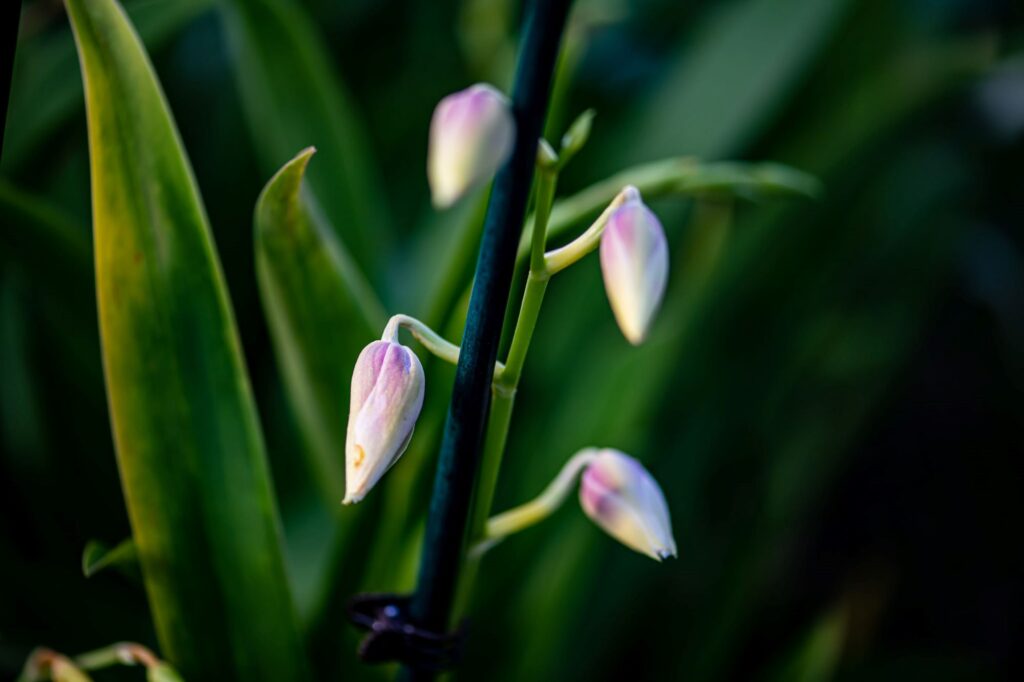
Around the Gardens, look for our updated and edited iris beds at the Fountain Garden. Our extensive iris collection has undergone a thoughtful refresh, bringing it back to a level of clarity, health, and horticultural excellence.
Over the past year, beds were evaluated and edited, aging or overcrowded clumps were divided, mislabeled or duplicate varieties were corrected, and new selections were added to strengthen color range and bloom sequence. The result is a cleaner, more intentional collection that better represents the diversity and beauty of irises while making long-term maintenance and future documentation far more manageable.
The Heartland Garden will undergo major renovations over the next few years, guided by a new interpretive focus centered on the Midwest Center for Regenerative Agriculture. The goal is to bring the regenerative practices happening across our broader landscape directly into the garden itself, showcasing the processes, principles, and visible outcomes in a way visitors can experience up close. These updates will help connect our agricultural work to our public spaces and tell a more complete story of soil health, biodiversity, and regenerative land stewardship.
We’re exploring new ways to incorporate sunflowers into the Gardens as both a vibrant seasonal display and a deeper interpretive story. The vision includes creating bold plantings and curated installations that celebrate the sunflower’s connection to the Midwest landscape, its ecology, cultural significance, and role in regenerative agriculture. By using a mix of heights, colors, and varieties, these installations can add dramatic late-summer impact while also serving as pollinator habitat and a teaching tool for visitors. The goal is to create a sunflower experience that feels joyful, immersive, and rooted in the spirit of the region.
In the coming year, we’ll be installing container gardens in key areas across Powell Gardens to enhance visual impact and seasonal interest. These containers will feature a dynamic mix of specimens, annuals, perennials, shrubs, and small trees, allowing us to create layered, expressive displays that evolve through the seasons. Placing container groupings strategically throughout the garden will help define spaces, add color and texture where in-ground planting is limited, and give our horticulture team the flexibility to showcase unique plants and design concepts in high-visibility locations.
Our horticulture team will continue to prioritize water-wise gardening, reduced chemical use, composting, and habitat creation for pollinators and wildlife in every season. These efforts, combined with ongoing education and conservation partnerships, reflect our belief that botanical gardens can lead by example, showing how beauty, biodiversity, and responsible land stewardship can work hand in hand.
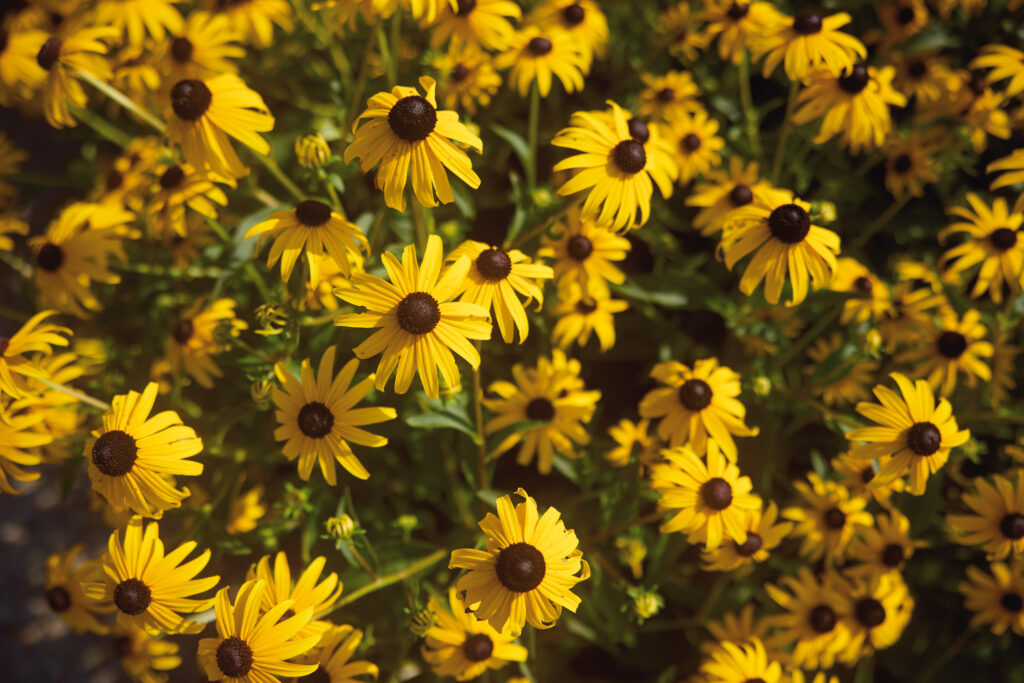
Fall at Powell Gardens is all about texture, color, and movement. Our prairie plantings take on warm tones as little bluestem turns coppery and switchgrass lights up in gold. Seed heads from coneflowers, liatris, and rudbeckia add structure and interest long after the blooms fade. Shrubs like viburnum, chokeberry, beautyberry, and sumac bring bright berries and bold fall color. Asters and goldenrods carry the season with fresh, late blooms that support pollinators well into autumn. Together, these plants create a fall landscape that feels alive, dynamic, and true to the spirit of the Midwest.
When winter approaches, we focus on preparing the Gardens for the colder months by protecting plant health and setting the stage for spring. This includes selective cutbacks, final leaf cleanup, mulching new plantings, shutting down irrigation, and securing containers and equipment. We also leave seed heads and structural plants standing where they support wildlife and add winter interest. These steps help the Gardens rest, recharge, and return strong when the growing season begins again.
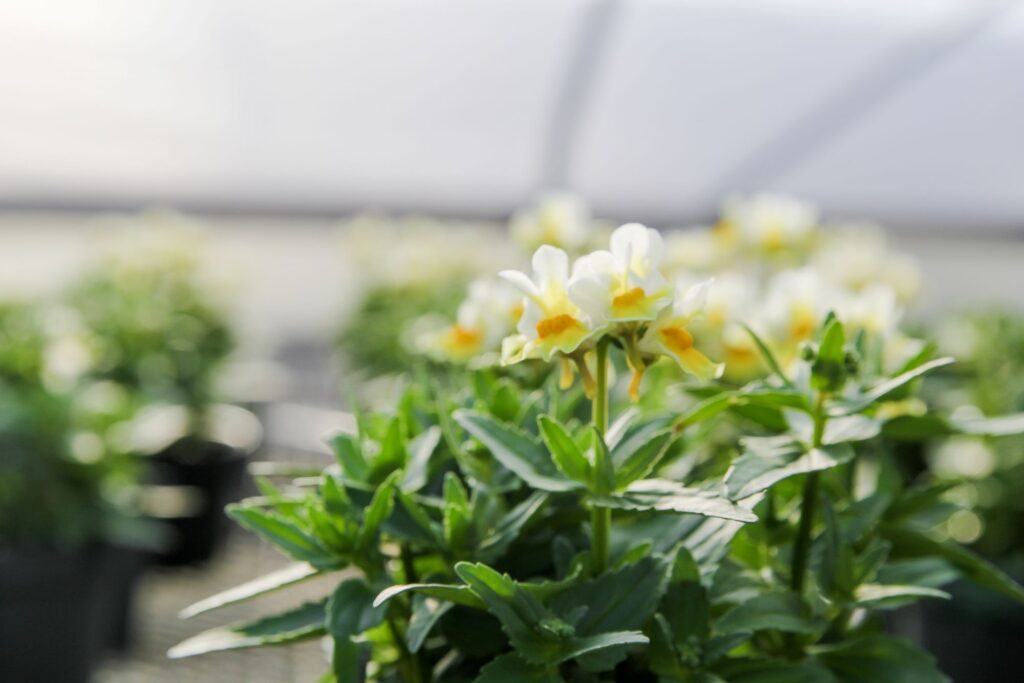
Our Garden Gallery greenhouses and Conservatory will be must-see stops in 2026, especially as fall approaches. Both spaces will feature fresh seasonal displays, unusual specimens, and bold plant combinations that change with the season. These indoor gardens offer a colorful, warm escape as the weather cools, and they’re the perfect way to experience the creativity and horticultural storytelling happening behind the scenes at Powell Gardens. Be sure to stop in and discover what’s new each time you visit.

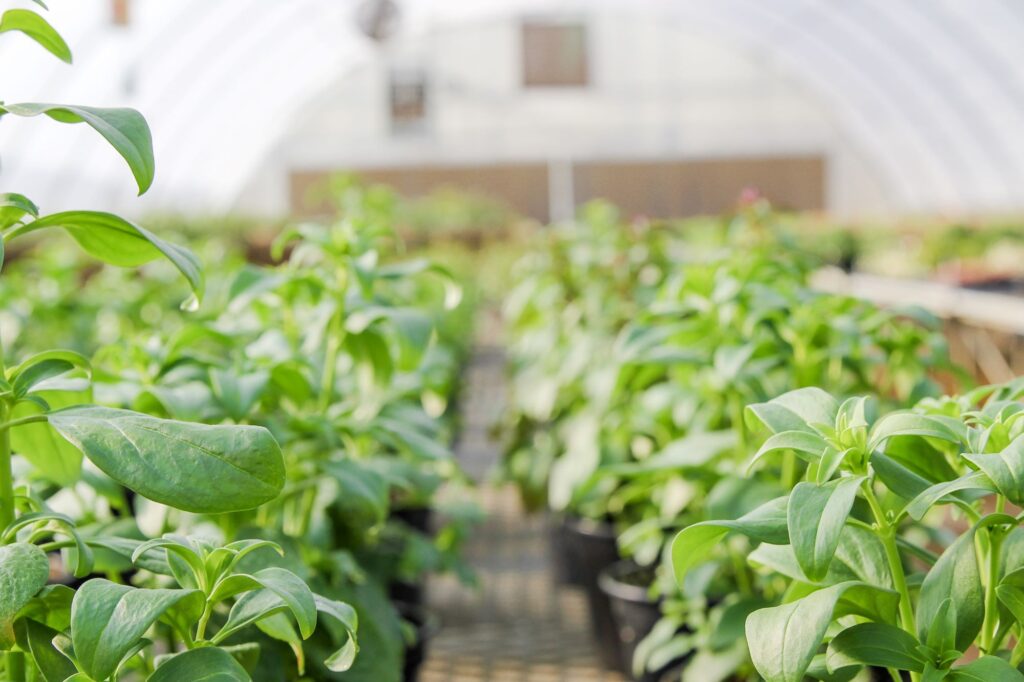
Our horticulture team begins planning the following spring, selecting plant palettes, designing displays, and scheduling greenhouse production, so everything is ready when the season turns. Those plans take shape in the greenhouses, which come alive with the first round of spring annuals. In late winter, the team begins sowing, transplanting, and growing the plants that will soon fill the gardens with color. It’s a quiet but exciting time behind the scenes, with rows of seedlings and young plants forming the foundation for the vibrant displays visitors will enjoy in spring.
In late winter, we will be updating the front of the Visitor Center by adding Ozark rock and cobble under the roof eves. This will address the bare ground and runoff issues while improving the overall look of the Visitor Center. We will add metal edging and weed barrier to make a long-lasting installation.
Of course, no winter at Powell Gardens is complete without Evergy Festival of Lights! Preparing for the winter festival is one of Powell Gardens’ biggest undertakings of the year. Installation begins in early September and continues through mid-November, with every department working together to bring the event to life. Miles of light strands are tested, repaired, and carefully placed throughout the Gardens, transforming the grounds into a winter wonderland. It’s a massive effort and a true example of teamwork, and the result is one of the most magical and memorable experiences we offer each year.
For most of the year, our horticulture team spends their days out in the Gardens, caring for plants and connecting with guests as they explore the grounds. But when winter arrives and Evergy Festival of Lights is in full swing, the team shifts indoors to support events and installations. It’s a welcome change of pace and a chance for them to experience the joy and excitement our festivals bring, seeing visitors light up as the Gardens are transformed.
Powell Gardens is more than a place to see plants; it’s a place to experience them. The horticulture team designs each space to encourage curiosity, reflection, and natural joy. Visitors might notice new interpretive elements, seasonal highlights, or restored habitats that invite exploration year-round.
“We want every guest, whether they’re a first-time visitor or longtime member, to discover something new in 2026,” said Bishop.
Looking to the future means caring for the land we steward. In 2026, Powell Gardens’ horticulture and conservation efforts will continue focusing on:
Every step forward reflects our long-term commitment to sustainable practices that nurture both people and the planet.
The gardens may rest in winter, but behind the scenes, growth is already underway. As 2026 unfolds, Powell Gardens will continue to be a living classroom and a vibrant celebration of the beauty and resilience of plants.
Stay tuned for updates in the months ahead. We can’t wait to share what’s growing next.
When the first shoots of spring appear, we hope you’ll visit to see Powell Gardens’ next chapter in full bloom. Plan your visit at www.powellgardens.org/hours-admission.