Powell Gardens’ Go-To Gardening Tools
Read More
Powell Gardens is open Wednesday-Sunday (9 a.m. - 5 p.m.). Click for hours of operation.

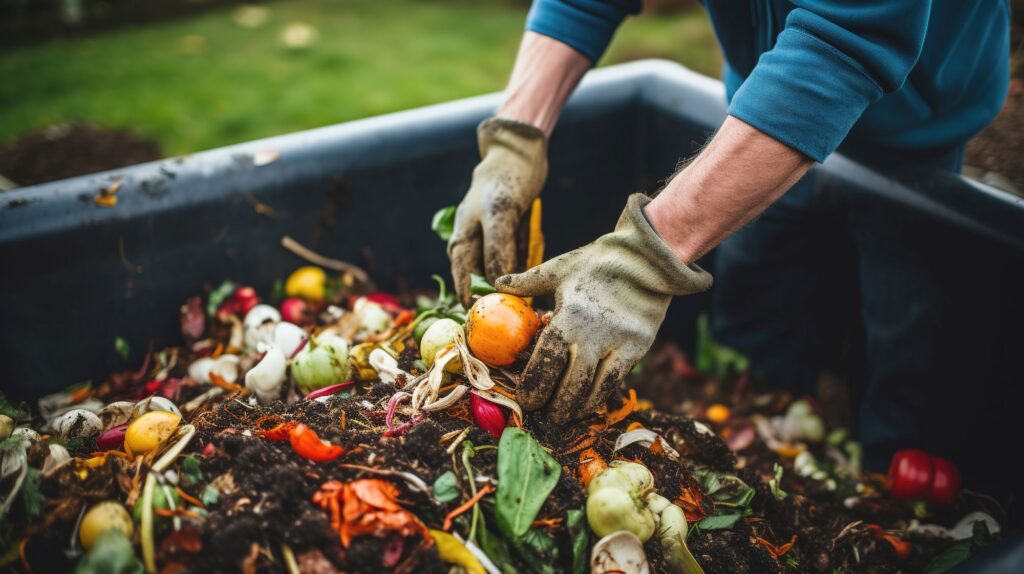

If you’ve ever heard gardeners refer to compost as “black gold,” they’re not exaggerating. Compost is one of the most valuable tools for building healthy soil, reducing waste, and growing thriving plants. Whether used in a backyard garden or in a large landscape, compost turns everyday organic materials into a powerful resource for the garden.
Compost is the result of natural decomposition. When organic materials like leaves, food scraps, grass clippings, paper waste, manure, and plant trimmings break down (with the help of microorganisms, air, and moisture), they transform into a dark crumbly material that resembles rich soil. This is compost!
During the composting process, bacteria, fungi, and other tiny organisms consume organic matter and convert it into nutrients that plants can easily absorb. The end product, compost, improves soil structure, increases water retention, and supports beneficial life in the soil.
Instead of sending organic waste to the landfill, composting returns those nutrients to the earth, creating a sustainable cycle that benefits both gardens and the environment.
Compost has many uses in the garden. Gardeners often incorporate compost into soil before planting to improve health and structure. When compost is added, clay soils become looser and easier for roots to grow through and sandy soils gain the ability to hold moisture and nutrients.
Compost can also be used as a top dressing around plants, mixed into potting soil, or added to planting beds to help establish new plants. In vegetable gardens, it provides a slow-release source of nutrients that supports steady growth throughout the season.
Beyond feeding plants, compost helps support a living soil ecosystem. Healthy soil contains billions of microorganisms that break down organic material, cycle nutrients, and help plants resist stress.
Not all compost is created in the same way. Different materials and processes produce slightly different results, but all compost shares the goal of turning organic matter into nutrient-rich soil amendment.
This is the most common type of compost. It’s made at home using kitchen scraps, leaves, grass clippings, and garden waste. Materials are layered and periodically turned to encourage decomposition.
Hot composting is a faster method that relies on carefully balanced materials and regular turning. The compost pile heats up as microorganisms work rapidly, breaking down materials in a matter of weeks.
Vermicomposting uses worms (usually red wigglers) to break down food scraps. The worms produce castings, which are extremely nutrient-rich and highly valued for seed starting and container plants.
Made primarily from decomposed leaves, leaf mold is slower to produce but excellent for improving soil structure and water retention.
Large-scale compost systems process significant amounts of organic material from landscaping operations, farms, or community programs. These systems can handle larger volumes and maintain consistent conditions for decomposition.
Composting plays a large role in growing the plants you see at Powell Gardens! Christian Van Matre (Horticulturist, Heartland Garden) says, “The composting system at Powell Gardens is something we’ve proudly been doing in-house since 2023. Although the principles are easy, it takes a lot of thought to apply even simple ideas to a large-scale operation.”
Powell Gardens compost is created by the Horticulture team using a series of windrows. Windrows are piles of a predetermined size that are watered and turned for aeration at regular intervals. Material is gathered from garden spaces at the end of the season or during regular garden cleanup and then dumped into the newest window pile. Watering is accomplished with a typical garden sprinkler.
“This project is still in its infancy,” says Van Matre. “Come back to learn what new methods we’re using as we aim for SUPERIOR compost.”
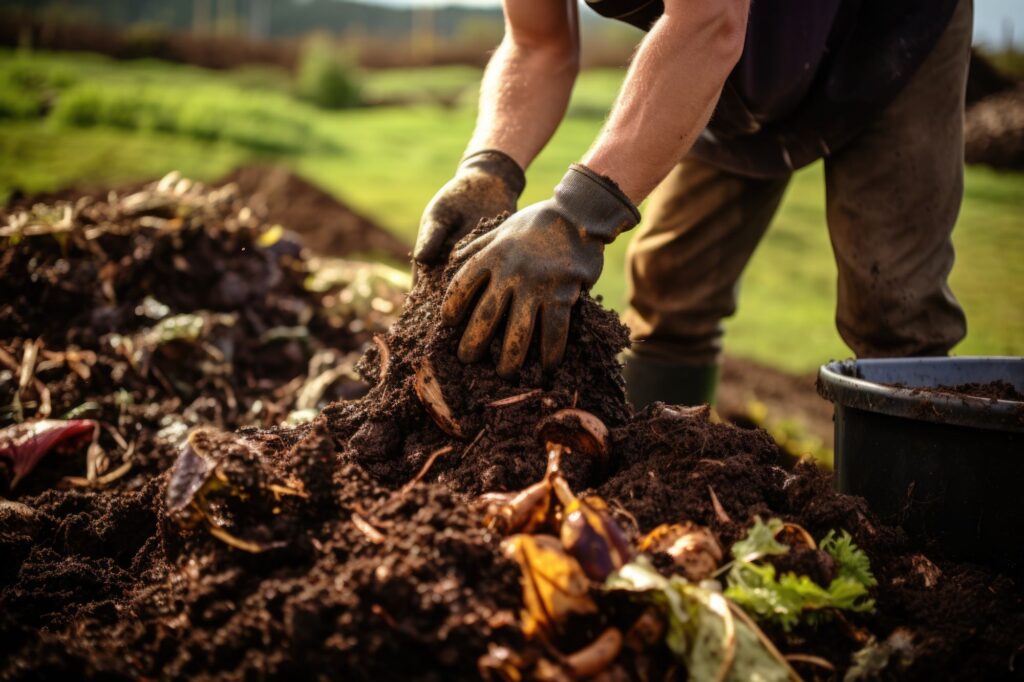
Getting started with composting is easier than many people expect. With just a few simple steps, you can turn everyday scraps into a valuable resource for your garden.
Greens include food scraps, grass clippings, and fresh plant material. They are high in nitrogen. Browns include dried leaves, cardboard, paper, and small twigs. Browns are high in carbon. A mix of both helps compost break down efficiently. Aim for a carbon to nitrogen ration of 25:1 for the most success.
The C:N ratio calculator from compostmagazine.com is very helpful.
A compost pile should feel like a wrung-out sponge. Too dry and decomposition slows down; too wet and it can become smelly.
Turning or mixing your compost occasionally introduces oxygen, which helps the microorganisms do their work.
Smaller pieces break down faster, speeding up the composting process.
Depending on the method and materials used, compost can take anywhere from a few weeks to several months to fully develop.
Composting is one of the simplest ways to care for the soil and reduce waste at the same time. By turning everyday organic materials into nutrient-rich compost, gardeners help create healthier landscapes from backyard beds to botanical gardens.