Growing the Future at Colonial Farms
Read More
Powell Gardens is open Tuesday-Sunday (9 a.m. - 5 p.m.). Click for hours of operation.


A new chapter is unfolding at Powell Gardens Colonial Farms. In the coming months, visitors will start to see Powell Gardens’ regenerative agriculture initiative extend to the Blue Springs site. This new chapter will reconnect the land to its natural rhythms while creating a richer, more meaningful experience for visitors.
Since becoming part of Powell Gardens, Colonial Farms is being thoughtfully reimagined through the work of the Midwest Center for Regenerative Agriculture (MCRA) in partnership with Good Oak. Together, these teams are transforming a conventional farm into a living example of regenerative agriculture in action.
Colonial Farms plays an important role in advancing Powell Gardens’ mission as a botanical garden and education-focused nonprofit. It expands the Gardens’ reach beyond horticulture display into food systems, land stewardship, and sustainable agriculture. Colonial Farms offers visitors a chance to see how plants, people, and ecosystems connect on a larger scale.
Regenerative agriculture has become popular in the community, but it’s more than a buzzword. It’s a shift in how we think about farming. Jacob Canyon (Good Oak, Midwest Center for Regenerative Agriculture) explains, “At its core, regenerative agriculture is a way of working with the land that builds its productivity over time rather than depleting it”.
Instead of focusing only on what can be taken from the soil, regenerative practices prioritize what can be returned.
At Colonial Farms, the team is thinking strategically about the future. Visitors will start to notice new regenerative focused process and practices like:
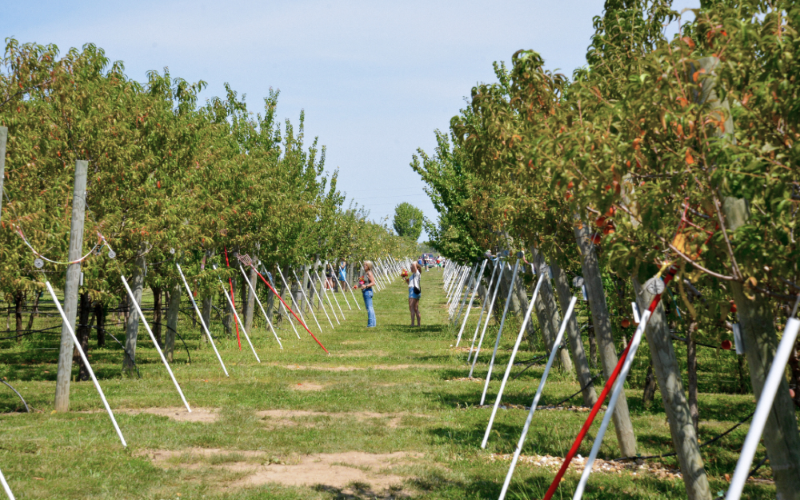
Things like cover cropping, rotational grazing, and agroforestry (including fruit and nut-bearing trees) will help the farm grow stronger and more productive year after year.
As regenerative practices take hold, Colonial Farms will begin to look and feel a little different. Some changes may be subtle at first:
You’ll also see more onsite signage and educational materials, helping tell the story of what’s happening in the fields and why it matters. And importantly, many visitor favorites (like u-pick experiences) will remain, now enhanced by healthier soil and more resilient crops.
While some elements, like vegetable production, are still in development, the long-term vision is clear. Powell Gardens Colonial Farms will transition from a conventional farm to a regenerative agriculture focused farm. It will be a diverse, regenerative system that produces food, supports wildlife, and serves as a model for the region.
Future plans include:
This is a careful, step-by-step transition. It prioritizes long-term health of the organization and the land over quick fixes.
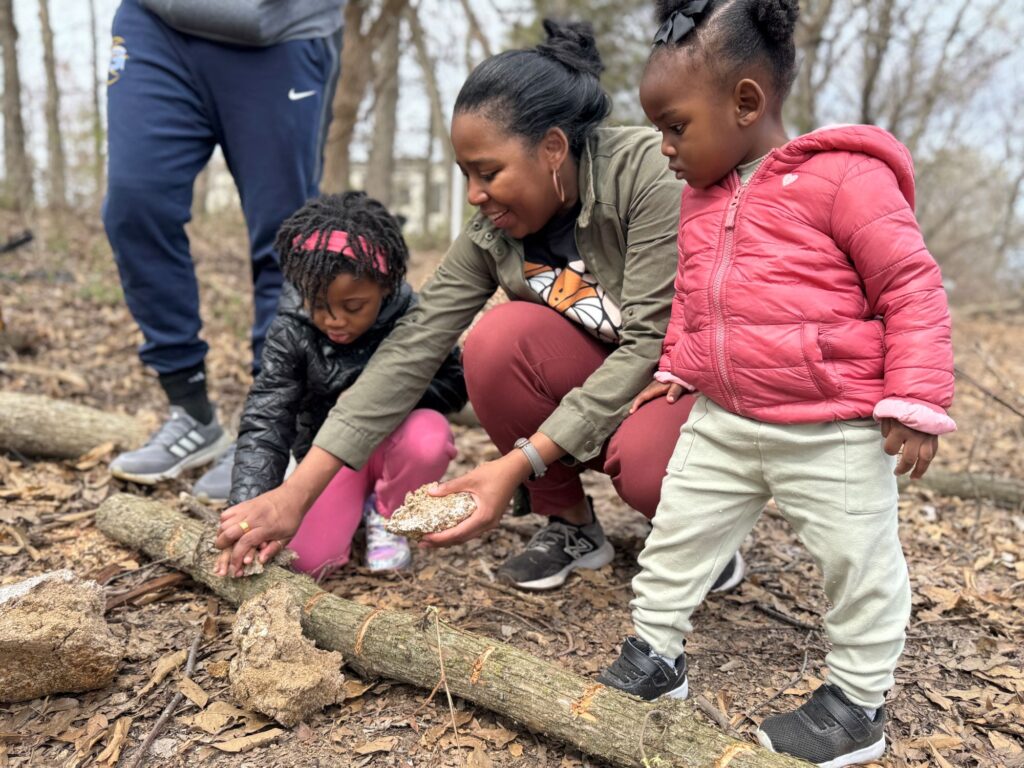
Education is at the heart of everything happening at Colonial Farms. Visitors won’t just see regenerative agriculture, they’ll be able to experience it for themselves.
Upcoming opportunities include seasonal workshops and demonstrations as well as field trips and guided tours. Whether you’re a home gardener, a farmer, or simply curious, these educational opportunities will offer practical ideas you can take home.
The transformation of Colonial Farms is something special. It’s a real-time example of how land can shift from conventional practices to a regenerative system.
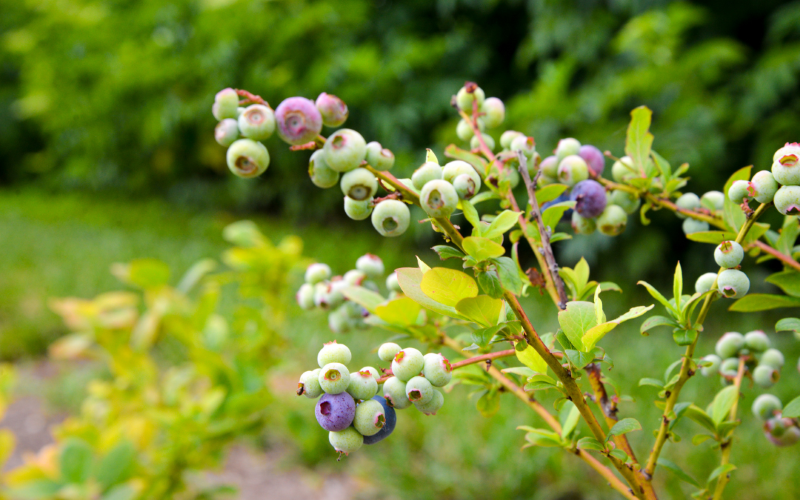
“It’s an amazing site,” says Jacob Canyon (Good Oak, Midwest Center for Regenerative Agriculture). “With established trees, brambles, and shrubs already producing, we have a unique opportunity, especially in the orchard, to demonstrate what regenerative agriculture can look like at scale.”
Over time, Colonial Farms aims to become a regional model, showing how farms in the Midwest can restore ecosystems, strengthen local food systems, and remain productive for generations.
The best way to understand regenerative agriculture is to experience it firsthand. Plan a visit to Colonial Farms and watch this transformation unfold across the seasons, from cover crops taking root to animals grazing and wildflowers returning to the fields.
This kind of long-term, land-based transformation takes time, care, and community support. Consider making a gift to Powell Gardens and the Midwest Center for Regenerative Agriculture to help expand educational programs, advance regenerative practices, and ensure Colonial Farms continues to grow as a model for the future.