Rooted In Place: Building Legacy Through Sustainable Partnership
Read More
Dark Forest is coming October 16-17, 22-24, and 30-31. Click for tickets.

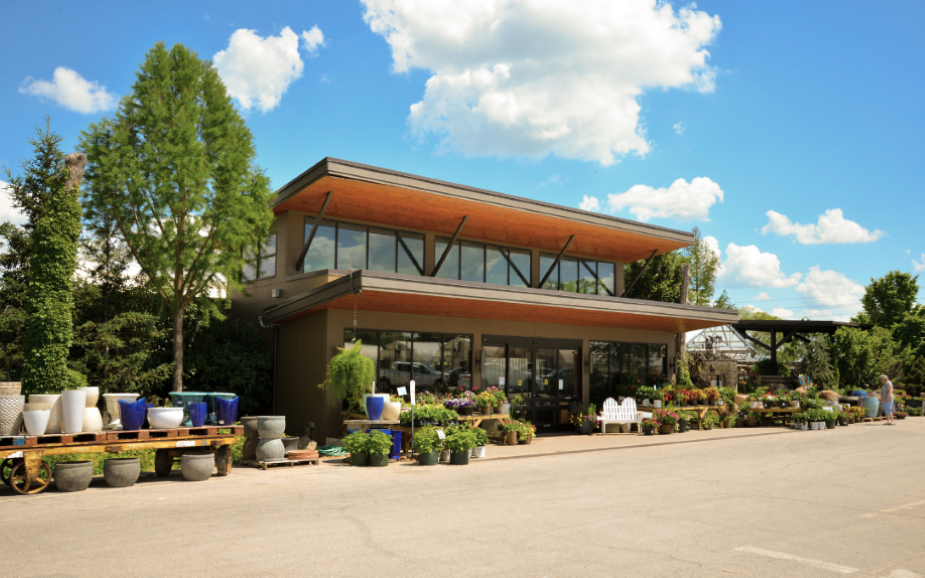

There’s a certain feeling you get when you return to a place that helped shape you. The trees seem taller, the paths a little narrower, and yet something deeper feels unchanged. For Alan, Colonial Gardens (now Powell Gardens Colonial Farms) has always been more than a destination. It has been a constant, quietly growing alongside him.
“I started here when I was 12. I was the warehouse guy loading potting soil.”
Back then, Colonial Gardens was a place of discovery. Not just rows of plants or carefully tended spaces, but a working landscape where curiosity was encouraged. Alan recalls the textures, the smells, the sense that something was always in motion.
Those early years left a lasting impression. For Alan, Colonial Gardens became a place where nature and community met. Families gathered, gardeners exchanged ideas, and visitors found inspiration in the everyday work of tending the land.
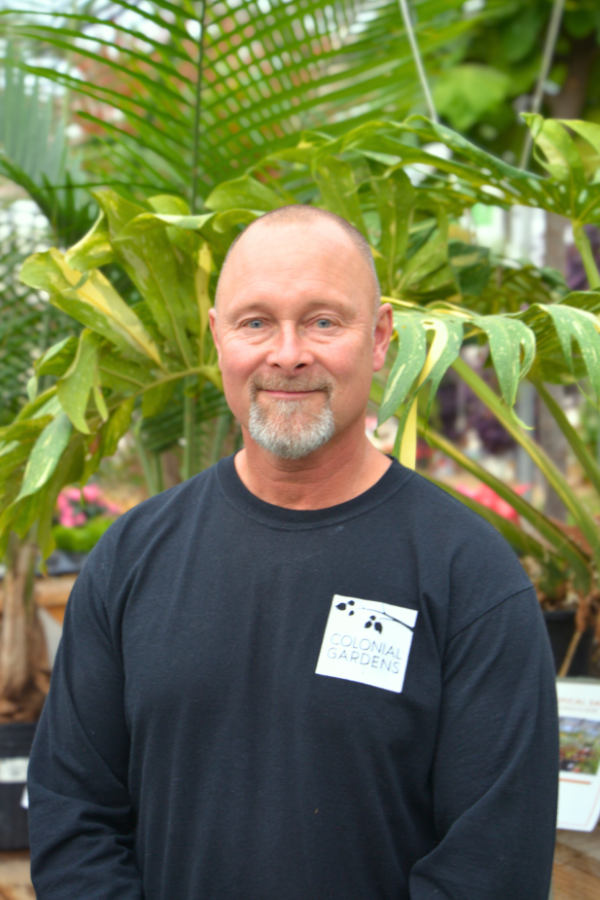
As Alan grew older, so did his understanding of what made Colonial Gardens special. What once felt like a place of wonder began to reveal itself as something more intentional.
“We used to be out in the middle of nowhere. Now we’re in the middle of everything.”
He saw firsthand that Colonial Gardens was never static. Seasons changed, plantings evolved, and new ideas took root. Yet through all of that, the purpose remained steady. It was always a working land, shaped by people who believed in its value.
That sense of continuity became part of Alan’s own story. The gardens were not just a backdrop. They were an influence, quietly teaching lessons about patience, stewardship, and growth.
Like any place with a long history, Colonial Gardens has experienced change. New approaches, new caretakers, and new opportunities have shaped its path forward. But according to Alan, the most important things have stayed the same.
“The heart of the place hasn’t changed. It’s still about the land and the people connected to it.”
That balance between evolution and preservation is what makes Colonial Gardens feel both familiar and alive. It is not frozen in time, nor has it lost its identity. Instead, it continues to grow in ways that respect its roots.
For the local community, that matters. Places like this are more than landscapes. They are shared experiences, woven into memories and traditions.
Today, Colonial Gardens enters a new chapter under the stewardship of Powell Gardens as Powell Gardens Colonial Farms. For Alan, this transition feels less like a departure and more like a continuation.
What stands out to him is a shared commitment to the land. Powell Gardens brings its own legacy of horticultural care, education, and community engagement. That alignment creates a sense of trust.
“It’s been the absolute best thing. It feels like a perfect marriage.”
Rather than redefining what Colonial Farms is, Powell Gardens is helping ensure it continues to thrive. The focus remains on growth, not just in what is planted, but in how people connect to the space.
This approach reinforces something Alan has always believed: that places like Colonial Farms are never finished. They are always evolving.
Standing in the gardens today, Alan sees both what was and what will be. The same land that shaped his early memories is still here, still working, still inviting others to experience it for themselves.
There is a quiet reassurance in that continuity. While names and caretakers may evolve, the deeper purpose endures. The land remains a place of learning, gathering, and growth.
Looking ahead, Alan hopes others will find their own connection to Colonial Farms, just as he did.
“I hope people come here and make it part of their story too.”
Because in the end, that is what legacy really means. Not just preserving what was, but creating space for what comes next.
And at Powell Gardens Colonial Farms, that story is still growing.